


How does car door panel mold processing balance ultimate aesthetics and precision engineering?
Release Time : 2026-06-25
In the precision system of modern automotive manufacturing, car door panels, as a crucial component of interior parts, not only directly embody the aesthetics and ergonomic design of the vehicle's interior space but also serve as a key benchmark for measuring the overall manufacturing process. Car door panel mold processing, as the core link in transforming plastic raw materials into complex and precision interior parts, integrates cutting-edge technologies from materials science, mechanical engineering, and digital manufacturing. From the initial analysis of the plastic part's appearance requirements to the final large-scale thin-wall injection molding, the entire mold processing process provides vital support for the lightweighting, aesthetics, and safety of automobiles.
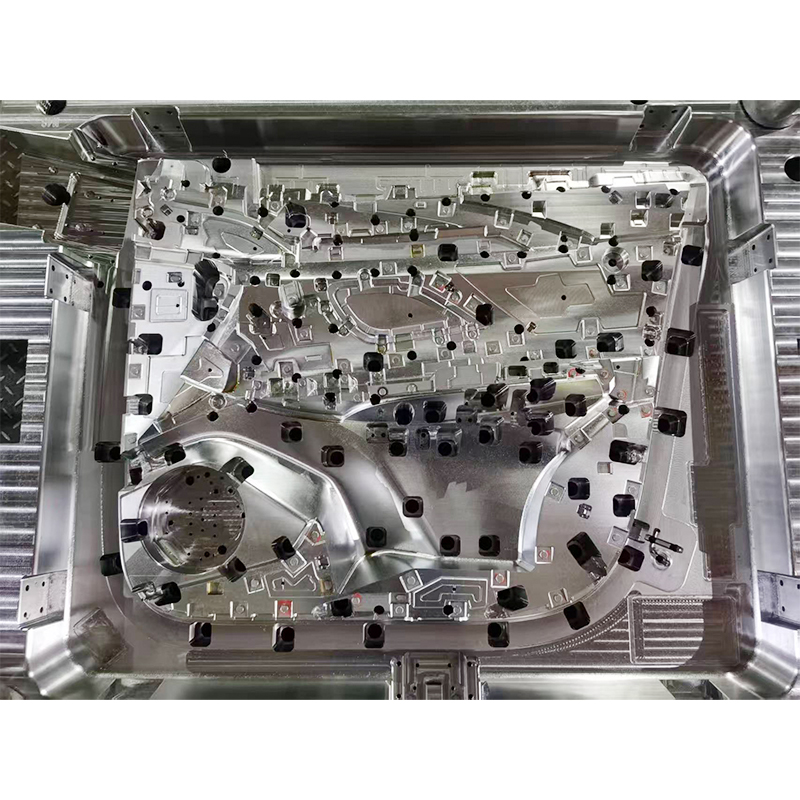
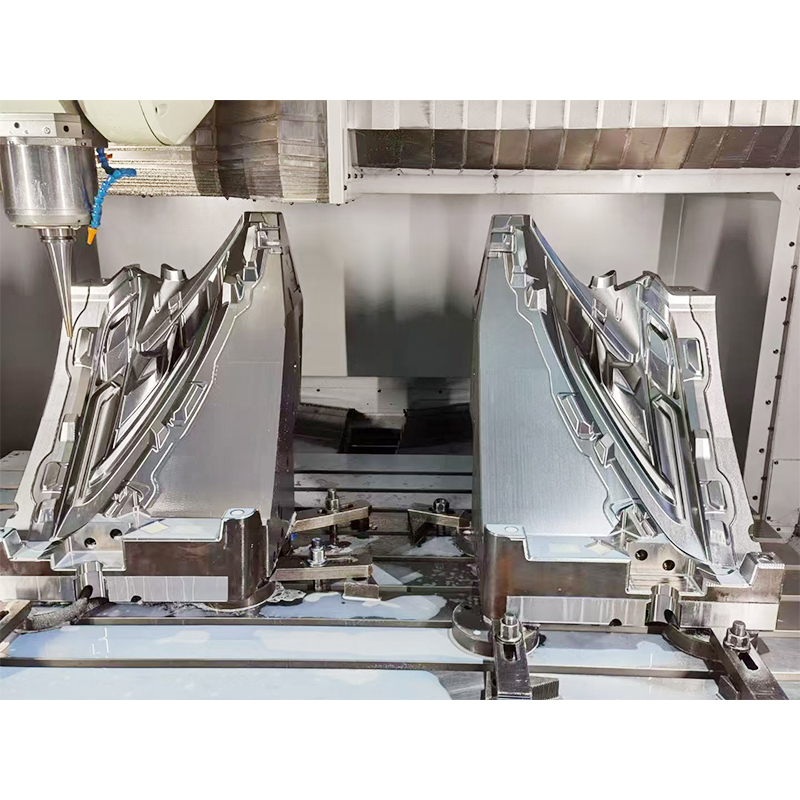
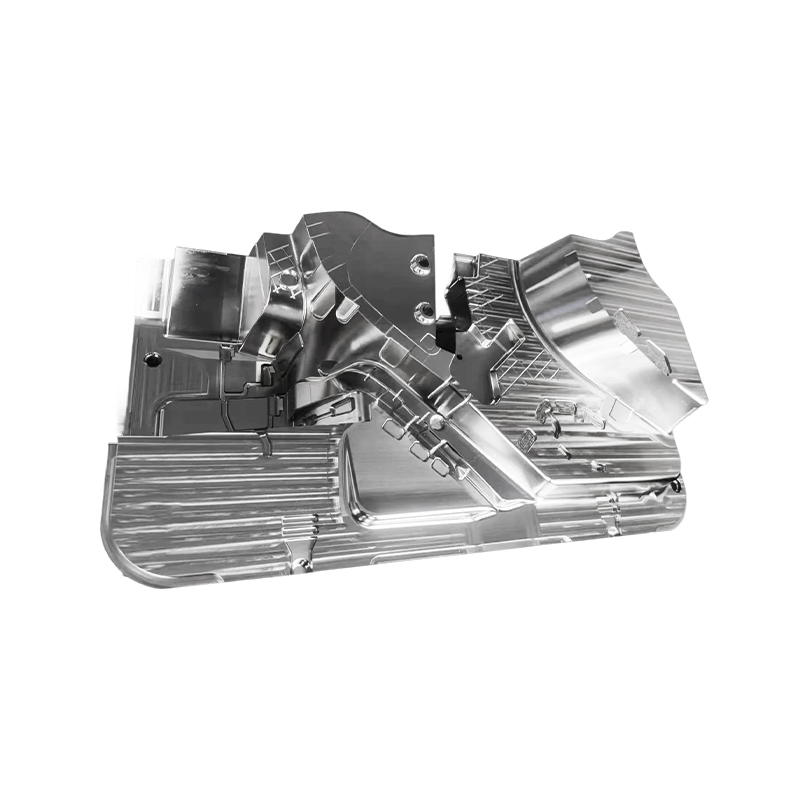
The primary challenge in car door panel mold processing lies in addressing the extremely high appearance requirements and complex structural features of the plastic parts. As exterior parts directly facing consumers, door panels typically undergo finely textured etching on their outer surface, requiring extremely high standards for draft angles. During processing, it is essential to ensure that the molded door panel surface is absolutely free of any defects such as spots, gate marks, shrinkage dents, weld lines, or flash. Meanwhile, the external structure of car door panels is often extremely complex, requiring very high surface finish, and featuring numerous undercuts on both the inner and outer sides that are not aligned with the demolding direction. These complex structural features necessitate the use of highly precise side-pulling mechanisms in mold design and manufacturing. For example, angled guide pillars combined with sliders are used to handle the outer undercuts, or angled push rods combined with angled push blocks are used to solve the inner demolding problem, ensuring that every complex geometric detail is perfectly molded.
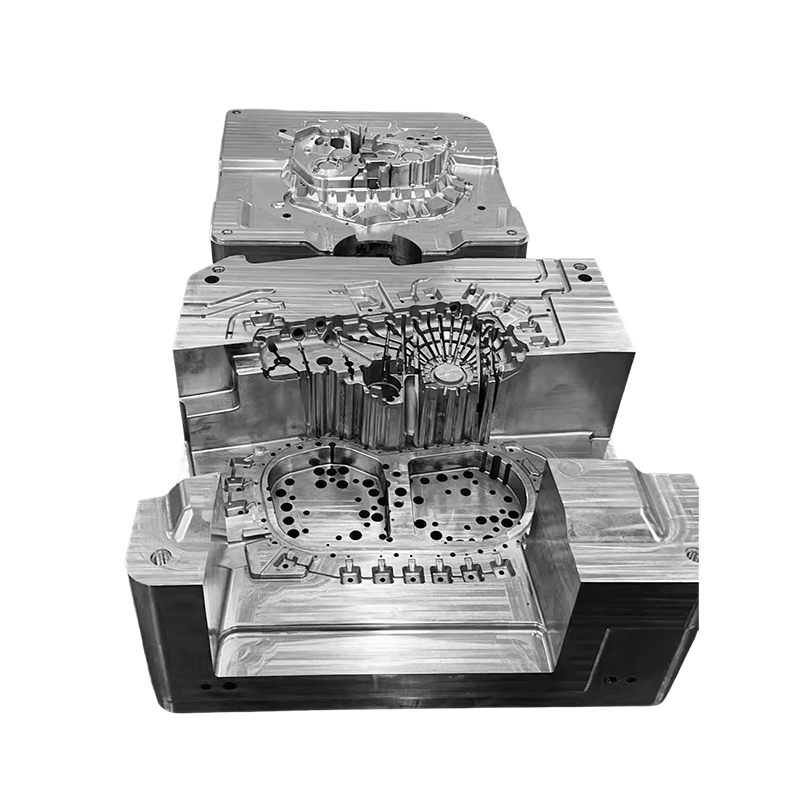
To address the difficulties in melt filling caused by the large size and extremely thin average wall thickness of car door panels, mold manufacturing has demonstrated a high level of engineering ingenuity in the design of gating systems and molding parts. Modern car door panel molds generally employ large hot runner gating systems, using sequential valve intelligent technology to control the sequential opening of multiple needle valve hot nozzles. This intelligent injection method effectively guides the molten plastic through the fan-shaped gate to smoothly enter the cavity, greatly improving the filling effect of large, thin-walled plastic parts and eliminating molding defects such as weld lines. In terms of material selection and structural design of molding parts, the fixed mold and moving mold typically adopt an integrated structure, using high-strength plastic mold steel. By employing a four-sided conical or internal mold positioning structure, the mold can be seamlessly integrated after closing, significantly improving the molding accuracy of the door panel and effectively enhancing the mold's rigidity and production life.
In the detailed processing of mold manufacturing, innovative designs for special structures further demonstrate the refinement of the process. Take the horn-shaped mesh holes on the door panel as an example. Due to their numerous size and significant resistance to the flow of molten plastic, traditional 3D modeling methods not only severely impact design efficiency but also easily lead to poor filling during injection molding. Therefore, in mold manufacturing, engineers often employ innovative processes such as local benchmark design and permeable steel, and rationally arrange gates near the mesh holes to improve pressure holding. Furthermore, to meet the automotive industry's extreme pursuit of lightweighting and environmental protection, mold manufacturing technology is constantly iterating. For example, the use of open-mold foam injection molding technology or carbon fiber composite injection molding process significantly reduces the door panel wall thickness while ensuring high precision and high strength of the product.
With the advancement of digitalization and intelligentization, car door panel mold manufacturing is accelerating its transformation towards intelligent manufacturing. By introducing AI-driven mold flow simulation analysis, engineers can accurately predict shrinkage and warpage before processing, optimizing mold structure. Utilizing IoT sensors, intelligent molds can monitor pressure and temperature in real time, significantly shortening molding cycles and improving yield. It can be said that car door panel mold processing has long transcended the realm of simple metal cutting; it is a comprehensive technological competition involving materials, structure, and intelligent control. It is this relentless pursuit of ultimate precision and perfect appearance that endows modern cars with an interior experience that combines luxurious texture and superior performance, driving the entire automotive manufacturing industry towards greater efficiency, greenness, and intelligence.
The primary challenge in car door panel mold processing lies in addressing the extremely high appearance requirements and complex structural features of the plastic parts. As exterior parts directly facing consumers, door panels typically undergo finely textured etching on their outer surface, requiring extremely high standards for draft angles. During processing, it is essential to ensure that the molded door panel surface is absolutely free of any defects such as spots, gate marks, shrinkage dents, weld lines, or flash. Meanwhile, the external structure of car door panels is often extremely complex, requiring very high surface finish, and featuring numerous undercuts on both the inner and outer sides that are not aligned with the demolding direction. These complex structural features necessitate the use of highly precise side-pulling mechanisms in mold design and manufacturing. For example, angled guide pillars combined with sliders are used to handle the outer undercuts, or angled push rods combined with angled push blocks are used to solve the inner demolding problem, ensuring that every complex geometric detail is perfectly molded.
To address the difficulties in melt filling caused by the large size and extremely thin average wall thickness of car door panels, mold manufacturing has demonstrated a high level of engineering ingenuity in the design of gating systems and molding parts. Modern car door panel molds generally employ large hot runner gating systems, using sequential valve intelligent technology to control the sequential opening of multiple needle valve hot nozzles. This intelligent injection method effectively guides the molten plastic through the fan-shaped gate to smoothly enter the cavity, greatly improving the filling effect of large, thin-walled plastic parts and eliminating molding defects such as weld lines. In terms of material selection and structural design of molding parts, the fixed mold and moving mold typically adopt an integrated structure, using high-strength plastic mold steel. By employing a four-sided conical or internal mold positioning structure, the mold can be seamlessly integrated after closing, significantly improving the molding accuracy of the door panel and effectively enhancing the mold's rigidity and production life.
In the detailed processing of mold manufacturing, innovative designs for special structures further demonstrate the refinement of the process. Take the horn-shaped mesh holes on the door panel as an example. Due to their numerous size and significant resistance to the flow of molten plastic, traditional 3D modeling methods not only severely impact design efficiency but also easily lead to poor filling during injection molding. Therefore, in mold manufacturing, engineers often employ innovative processes such as local benchmark design and permeable steel, and rationally arrange gates near the mesh holes to improve pressure holding. Furthermore, to meet the automotive industry's extreme pursuit of lightweighting and environmental protection, mold manufacturing technology is constantly iterating. For example, the use of open-mold foam injection molding technology or carbon fiber composite injection molding process significantly reduces the door panel wall thickness while ensuring high precision and high strength of the product.
With the advancement of digitalization and intelligentization, car door panel mold manufacturing is accelerating its transformation towards intelligent manufacturing. By introducing AI-driven mold flow simulation analysis, engineers can accurately predict shrinkage and warpage before processing, optimizing mold structure. Utilizing IoT sensors, intelligent molds can monitor pressure and temperature in real time, significantly shortening molding cycles and improving yield. It can be said that car door panel mold processing has long transcended the realm of simple metal cutting; it is a comprehensive technological competition involving materials, structure, and intelligent control. It is this relentless pursuit of ultimate precision and perfect appearance that endows modern cars with an interior experience that combines luxurious texture and superior performance, driving the entire automotive manufacturing industry towards greater efficiency, greenness, and intelligence.