


How to select and arrange the hot runner system for car fender mold more reasonably?
Release Time : 2026-05-06
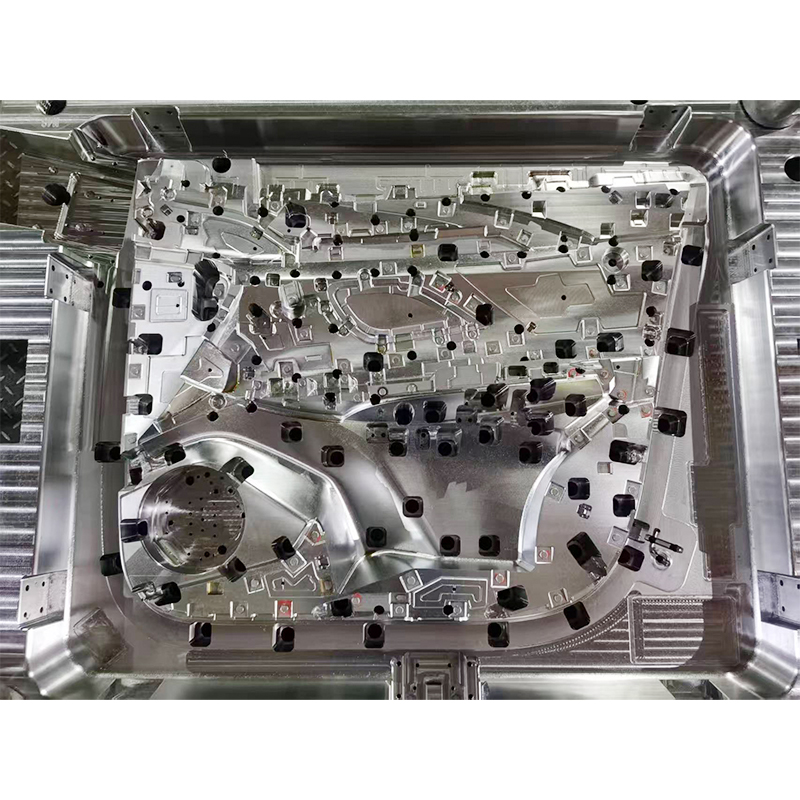
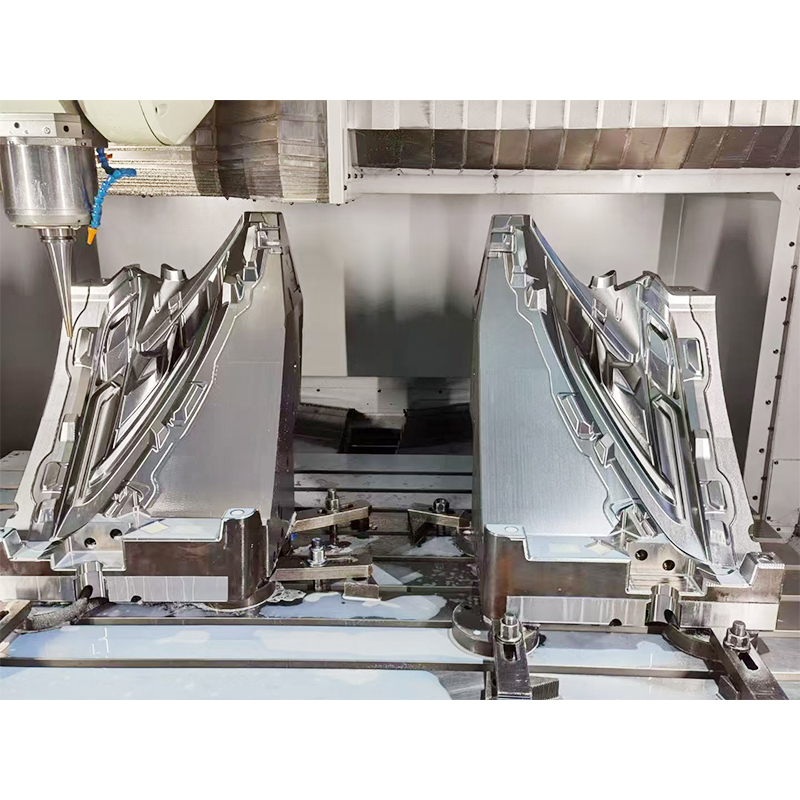
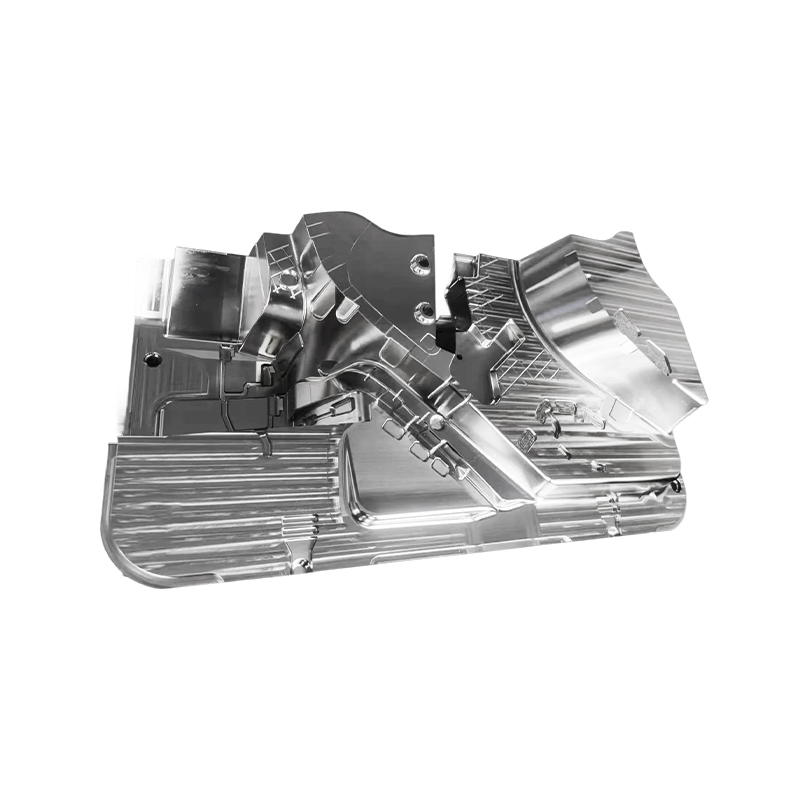
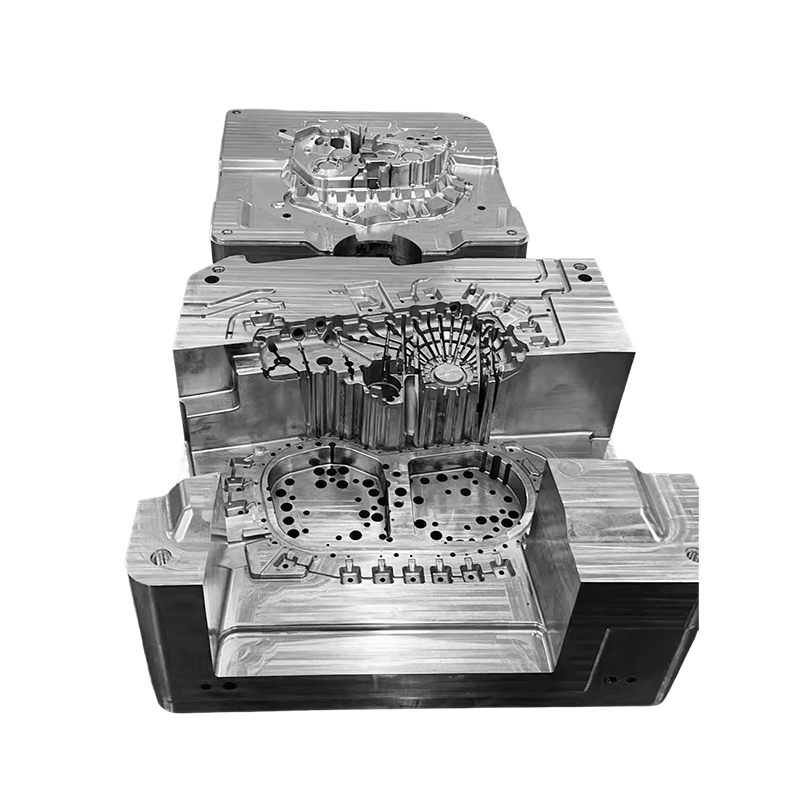
The selection and layout of the hot runner system for car fender molds must be closely integrated with product characteristics, material properties, and production requirements to ensure stable molding quality and improved production efficiency. Automotive mudguards are typically large, thin-walled parts with complex structures and significant variations in wall thickness, demanding extremely high uniformity and flow balance in melt filling. An improperly designed hot runner system can easily lead to defects such as insufficient filling, obvious weld lines, and warping, affecting the product's appearance and mechanical properties. Therefore, the selection and layout must be comprehensively considered from multiple dimensions, including system type, nozzle type, manifold design, runner layout, temperature control accuracy, material compatibility, and ease of maintenance.
The choice of hot runner system type is fundamental. Car fender molds often use valve-type hot runner systems, which precisely control the melt filling time and pressure through mechanically controlled gate opening and closing, avoiding problems such as drooling and stringing that are common in open hot runner systems. Valve-type systems have smaller gate marks, making them particularly suitable for products like mudguards that require high aesthetic quality, significantly reducing subsequent polishing processes and improving production efficiency. Furthermore, valve-type systems offer more precise control over melt flow, effectively balancing the filling of multi-cavity molds and reducing dimensional deviations caused by flow imbalances.
The nozzle type and layout directly affect the filling effect. Given the thin walls and long flow path of the mudguard, the nozzles must possess high wear resistance, high thermal conductivity, and good sealing performance. Needle valve nozzles are typically chosen, as their small gap between the valve needle and nozzle body prevents melt leakage. Simultaneously, adjusting the valve needle's movement speed optimizes the melt filling process. The nozzle layout should follow the principle of "nearby injection and balanced filling," considering the structural characteristics of the mudguard. Gates should be placed in areas with thicker walls or concentrated ribs to avoid direct injection in thin-walled areas, reducing weld lines and stress concentration. For complex structures, a multi-point injection method can be used, optimizing the gate location and number through mold flow analysis to ensure uniform melt coverage of the cavity.
The manifold design is the core of the hot runner system. The manifold must evenly distribute the melt from the main nozzle to each nozzle, and its flow path layout must balance pressure loss and flow balance. For mudguard molds, a natural balance layout, such as H-type or X-type runners, is preferred to ensure consistent runner length and bend count from the main nozzle to each nozzle, reducing uneven filling caused by flow differences. If natural balance cannot be achieved due to structural limitations, rheological balance design must be implemented by adjusting the runner diameter or length, and the filling effect verified using mold flow analysis. The manifold material must possess high thermal conductivity, wear resistance, and thermal fatigue resistance. Commonly used materials are S136 or H13 steel, which can achieve a hardness of HRC 48-52 after heat treatment to meet the requirements of long-term high-temperature working environments.
The accuracy of the temperature control system determines the stability of molding quality. Automotive mudguard materials are mostly heat-sensitive plastics such as PP and PE, which are sensitive to temperature fluctuations. The hot runner system must be equipped with a high-precision temperature control device to ensure uniform temperature in all areas, avoiding material degradation due to localized overheating or increased flow resistance due to excessively low temperatures. A zoned temperature control design is typically used, with independent temperature control for key components such as the manifold and nozzles, maintaining a temperature difference within ±2℃. Simultaneously, a heat insulation plate needs to be installed between the hot runner plate and the mold platen to reduce heat loss, lower energy consumption, and prevent excessive mold temperature from causing cavity deformation.
Material compatibility is crucial for selection. Different plastics have significant differences in flowability and thermal stability, requiring the selection of hot runner components based on the characteristics of the mudguard material. For example, for glass fiber reinforced plastics, nozzles and runner materials with higher wear resistance, such as powder metallurgy steel or special coatings, are needed to reduce fiber wear on the runner inner wall. For high-viscosity materials, the runner diameter and nozzle structure need to be optimized to reduce flow resistance and avoid incomplete filling. Furthermore, the color change requirements of the material must be considered. If frequent color changes are necessary, the hot runner system must have a rapid color change function, such as using detachable nozzles and designs that reduce dead corners in the runner, shortening color change time and reducing waste generation.
Ease of maintenance affects production continuity. Car fender molds have long production cycles, requiring simple and efficient maintenance of the hot runner system. The design must consider the ease of replacement of vulnerable components such as nozzles and heating elements. For example, a quick-change nozzle structure can be used to replace parts without disassembling the entire hot runner plate. Standardized interfaces for heating elements facilitate rapid maintenance. Additionally, drainage channels and venting channels should be incorporated into the hot runner system to prevent moisture and gas buildup that could lead to system malfunctions and extend equipment lifespan.