


How to reduce thermal cracking and improve mold stability in automotive die casting mold manufacturing under cyclic thermal shock conditions?
Release Time : 2026-05-27
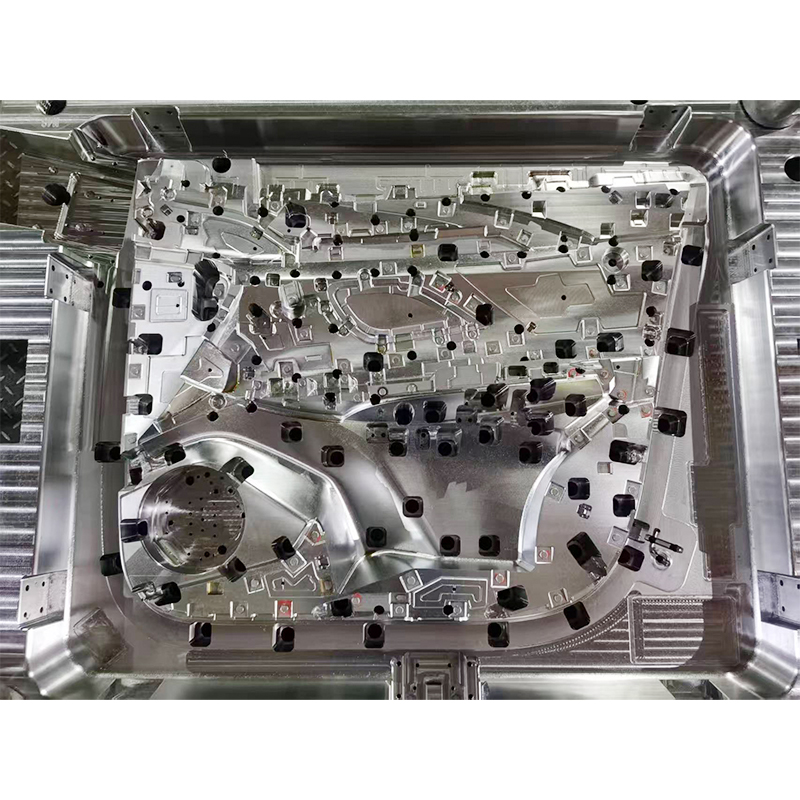
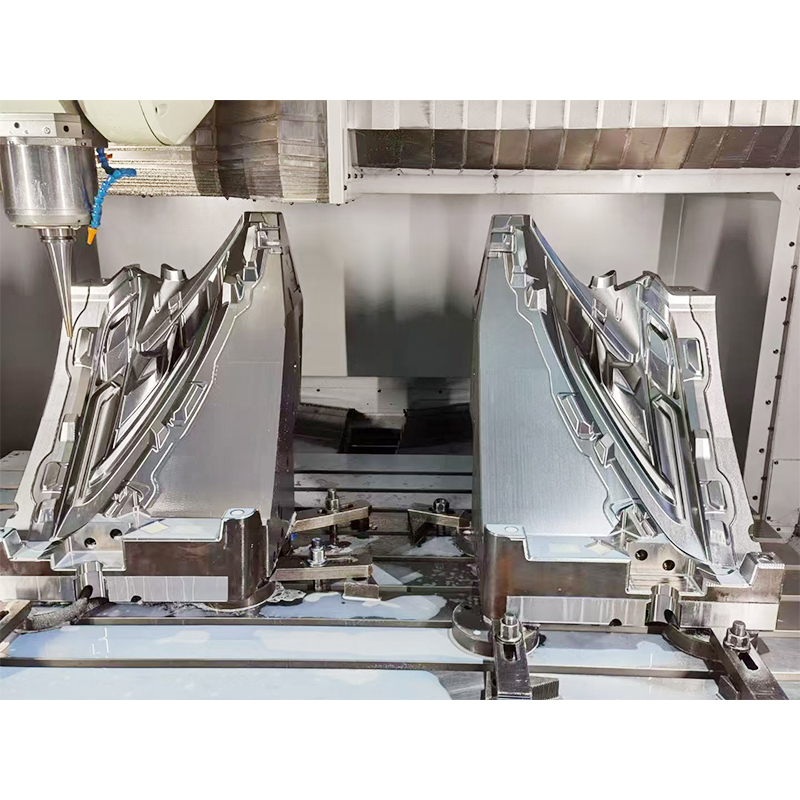
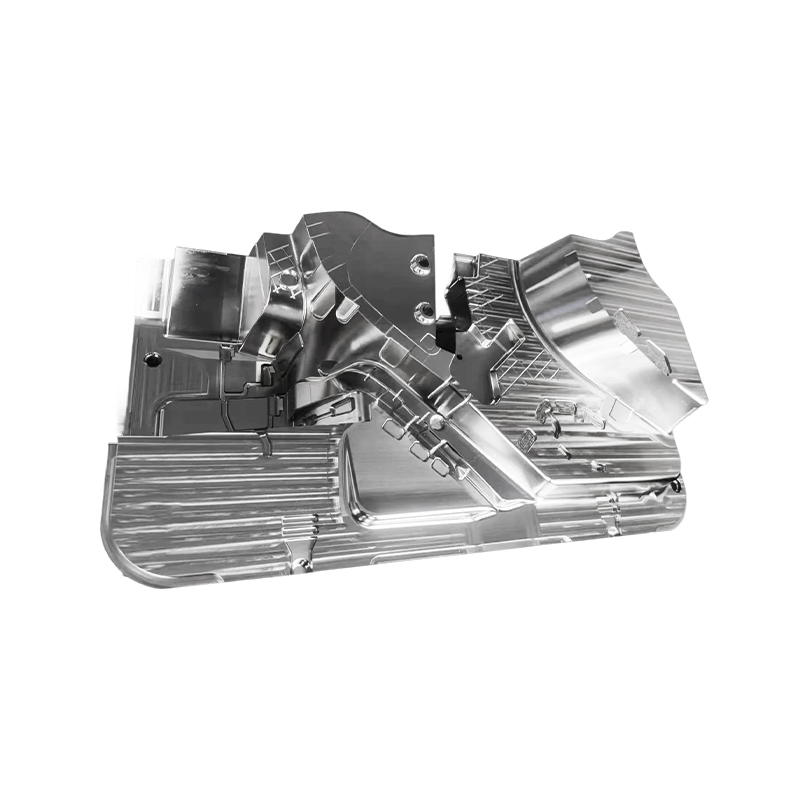
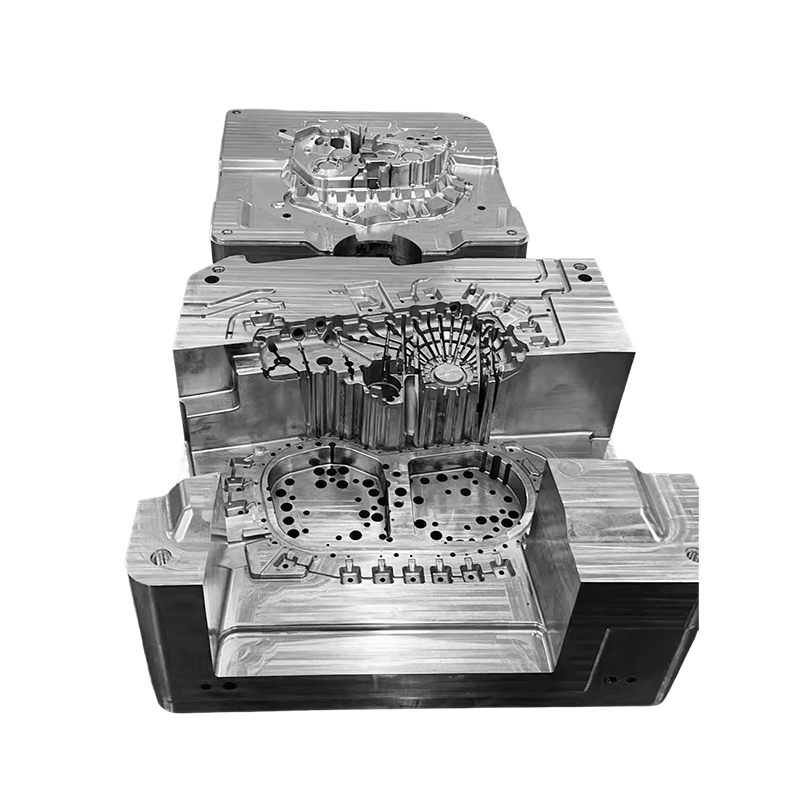
In the automotive manufacturing industry, die casting is widely used in the production of engine housings, battery structural components for new energy vehicles, and integrated die-cast body parts due to its advantages such as high production efficiency, good molding accuracy, and suitability for processing complex structural parts. As a core production tool, the automotive die casting mold needs to be exposed to an environment of alternating high-temperature molten metal and cooling cycles for extended periods. Under cyclic thermal shock conditions, the mold surface repeatedly experiences rapid heating and cooling processes, which can easily lead to thermal fatigue cracks, surface spalling, and dimensional deformation, thus affecting product quality and mold lifespan.
1. Optimize mold materials to improve thermal fatigue resistance
The performance of mold materials is a crucial factor affecting the formation of thermal cracks. If the material has insufficient heat resistance or poor structural stability, fatigue cracks are easily formed under long-term thermal cycling. Therefore, in the manufacturing process of automotive die casting molds, it is necessary to prioritize the selection of mold steels with high strength, high toughness, and excellent high-temperature resistance. For example, using hot-work die steel can improve the mold's resistance to thermal shock in high-temperature environments and reduce the risk of surface cracking. Simultaneously, optimizing the internal microstructure of the material can also improve fatigue resistance and wear resistance, thereby extending the overall service life of the mold.
2. Enhancing Structural Stability through Heat Treatment Processes
The heat treatment process directly affects the hardness, toughness, and heat resistance of die-casting molds. Uneven heat treatment can easily lead to residual stress inside the mold, accelerating crack propagation under cyclic thermal shock. Therefore, scientific heat treatment processes are needed to improve mold stability. For example, vacuum quenching and multiple tempering processes can improve the uniformity of the internal microstructure of the mold and reduce residual stress concentration. Simultaneously, surface nitriding can improve the surface hardness and wear resistance of the mold, reducing damage from high-temperature molten metal erosion, thereby improving overall resistance to thermal cracking.
3. Optimizing the Cooling System to Reduce Thermal Stress
In the die-casting production process, excessive temperature differences between the mold surface and interior are a major cause of hot cracking. Therefore, a well-designed cooling system is crucial for improving mold stability. For example, optimizing the cooling channel layout can make the temperature distribution more uniform across the mold, reducing localized overheating. Simultaneously, employing zoned temperature control technology can adjust the cooling intensity according to different cavity locations, reducing thermal stress caused by rapid temperature changes. For large, integrated die-casting molds, conformal cooling structures can be used to improve overall heat dissipation efficiency, thereby reducing the formation of thermal fatigue cracks.
4. Improving Mold Structure Design to Reduce Stress Concentration
An unreasonable mold structure design can also easily lead to stress concentration areas during high-temperature cycling, causing cracking problems. Therefore, in die-casting mold processing, it is necessary to optimize the cavity structure and corner areas. For example, appropriately increasing the fillet radius can reduce stress concentration in sharp corner areas and improve thermal cycling stability. Simultaneously, optimizing the venting groove and gate structure can reduce thermal damage caused by high-speed impact of molten metal on localized areas. Furthermore, adding reinforcing structures to critical stress areas of the mold can improve overall rigidity and reduce deformation problems during long-term use.
5. Enhance Surface Treatment to Improve Corrosion and Wear Resistance
Die-casting molds, subjected to prolonged exposure to high-temperature molten metal, are prone to thermal cracking, corrosion, and wear. Therefore, surface strengthening technologies are needed to improve mold durability. For example, PVD coatings, nitriding coatings, or laser cladding can form a high-hardness protective layer on the mold surface, enhancing oxidation and wear resistance. These surface treatments also reduce aluminum sticking to the mold, slowing down surface damage and further improving mold stability and lifespan.
With the rapid development of new energy vehicles and large-scale integrated die-casting technology, automotive die casting molds are facing increasingly stringent cyclic thermal shock conditions. Optimizing mold materials, strengthening heat treatment processes, improving cooling systems, and enhancing surface strengthening technologies can effectively reduce thermal cracking and significantly improve overall mold stability and durability, providing a more efficient and reliable production guarantee for the automotive die-casting industry.
1. Optimize mold materials to improve thermal fatigue resistance
The performance of mold materials is a crucial factor affecting the formation of thermal cracks. If the material has insufficient heat resistance or poor structural stability, fatigue cracks are easily formed under long-term thermal cycling. Therefore, in the manufacturing process of automotive die casting molds, it is necessary to prioritize the selection of mold steels with high strength, high toughness, and excellent high-temperature resistance. For example, using hot-work die steel can improve the mold's resistance to thermal shock in high-temperature environments and reduce the risk of surface cracking. Simultaneously, optimizing the internal microstructure of the material can also improve fatigue resistance and wear resistance, thereby extending the overall service life of the mold.
2. Enhancing Structural Stability through Heat Treatment Processes
The heat treatment process directly affects the hardness, toughness, and heat resistance of die-casting molds. Uneven heat treatment can easily lead to residual stress inside the mold, accelerating crack propagation under cyclic thermal shock. Therefore, scientific heat treatment processes are needed to improve mold stability. For example, vacuum quenching and multiple tempering processes can improve the uniformity of the internal microstructure of the mold and reduce residual stress concentration. Simultaneously, surface nitriding can improve the surface hardness and wear resistance of the mold, reducing damage from high-temperature molten metal erosion, thereby improving overall resistance to thermal cracking.
3. Optimizing the Cooling System to Reduce Thermal Stress
In the die-casting production process, excessive temperature differences between the mold surface and interior are a major cause of hot cracking. Therefore, a well-designed cooling system is crucial for improving mold stability. For example, optimizing the cooling channel layout can make the temperature distribution more uniform across the mold, reducing localized overheating. Simultaneously, employing zoned temperature control technology can adjust the cooling intensity according to different cavity locations, reducing thermal stress caused by rapid temperature changes. For large, integrated die-casting molds, conformal cooling structures can be used to improve overall heat dissipation efficiency, thereby reducing the formation of thermal fatigue cracks.
4. Improving Mold Structure Design to Reduce Stress Concentration
An unreasonable mold structure design can also easily lead to stress concentration areas during high-temperature cycling, causing cracking problems. Therefore, in die-casting mold processing, it is necessary to optimize the cavity structure and corner areas. For example, appropriately increasing the fillet radius can reduce stress concentration in sharp corner areas and improve thermal cycling stability. Simultaneously, optimizing the venting groove and gate structure can reduce thermal damage caused by high-speed impact of molten metal on localized areas. Furthermore, adding reinforcing structures to critical stress areas of the mold can improve overall rigidity and reduce deformation problems during long-term use.
5. Enhance Surface Treatment to Improve Corrosion and Wear Resistance
Die-casting molds, subjected to prolonged exposure to high-temperature molten metal, are prone to thermal cracking, corrosion, and wear. Therefore, surface strengthening technologies are needed to improve mold durability. For example, PVD coatings, nitriding coatings, or laser cladding can form a high-hardness protective layer on the mold surface, enhancing oxidation and wear resistance. These surface treatments also reduce aluminum sticking to the mold, slowing down surface damage and further improving mold stability and lifespan.
With the rapid development of new energy vehicles and large-scale integrated die-casting technology, automotive die casting molds are facing increasingly stringent cyclic thermal shock conditions. Optimizing mold materials, strengthening heat treatment processes, improving cooling systems, and enhancing surface strengthening technologies can effectively reduce thermal cracking and significantly improve overall mold stability and durability, providing a more efficient and reliable production guarantee for the automotive die-casting industry.