


What are the precision processing methods for car door panel molds in machining complex decorative lines?
Release Time : 2026-03-24
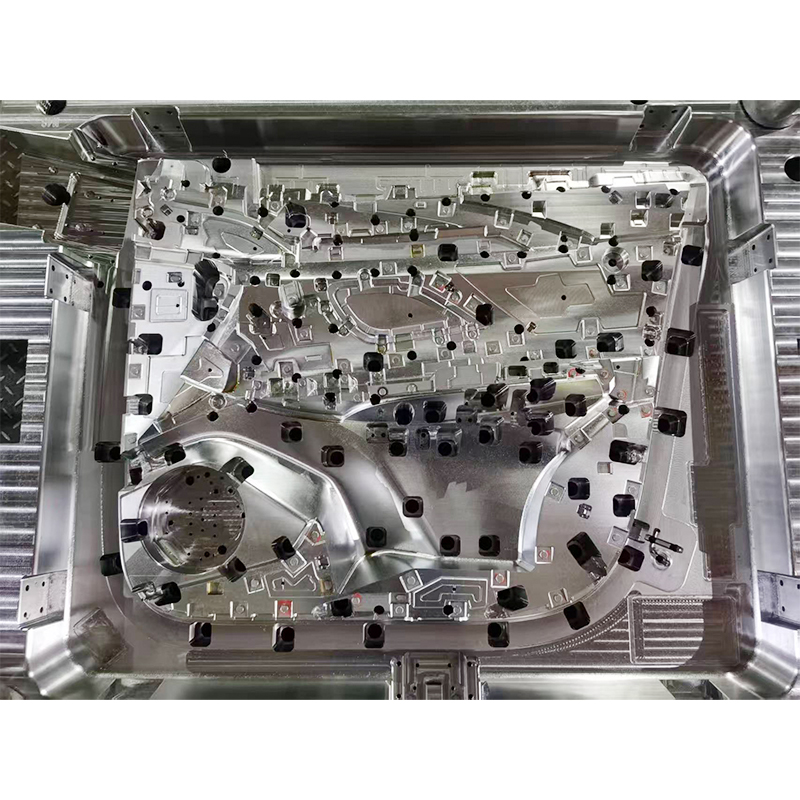
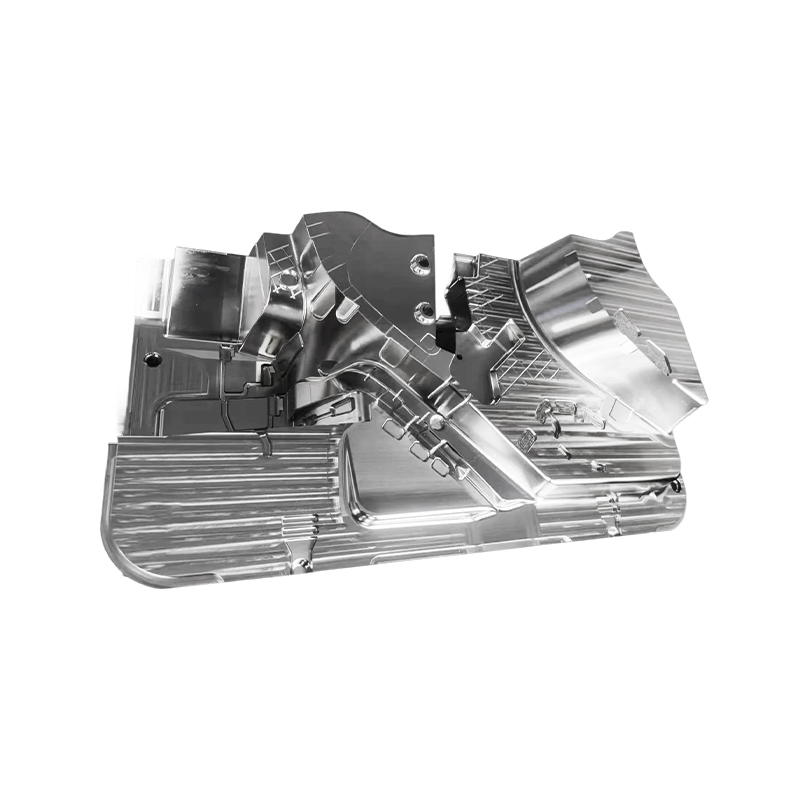
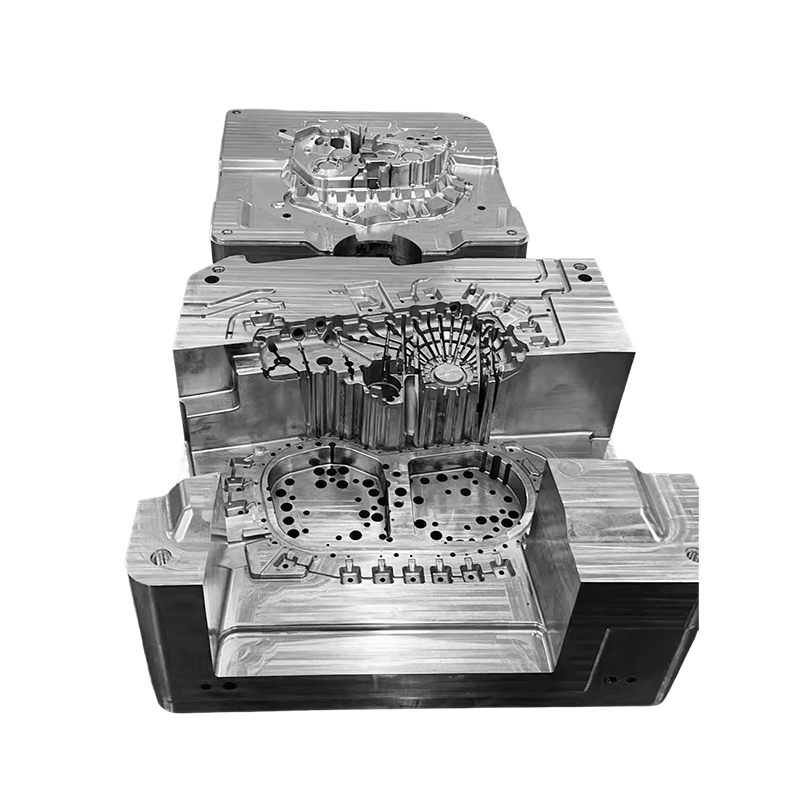
Making car door panel molds for complex decorative lines requires balancing high precision, high surface quality, and long-term wear resistance. With the diversification of automotive design styles, the decorative lines on door panels are becoming increasingly complex, with extremely high requirements for details such as curves, concave and convex shapes, and angles. This places stricter demands on mold processing. Advanced machining technologies and precision processes can effectively ensure the precision and aesthetics of complex decorative lines.
1. Precise CAD/CAM Modeling and Path Planning
Before machining complex decorative lines, a precise 3D model needs to be created in a CAD system, digitizing the line contours, depths, and curvatures. Then, a CAM system is used for machining path planning, including tool selection, depth of cut, feed rate, and toolpath sequence. Precise digital modeling and path planning provide a reliable foundation for subsequent precision machining, ensuring that the shape of the decorative lines matches the design drawings.
2. High-Precision CNC Machining Improves Shape Accuracy
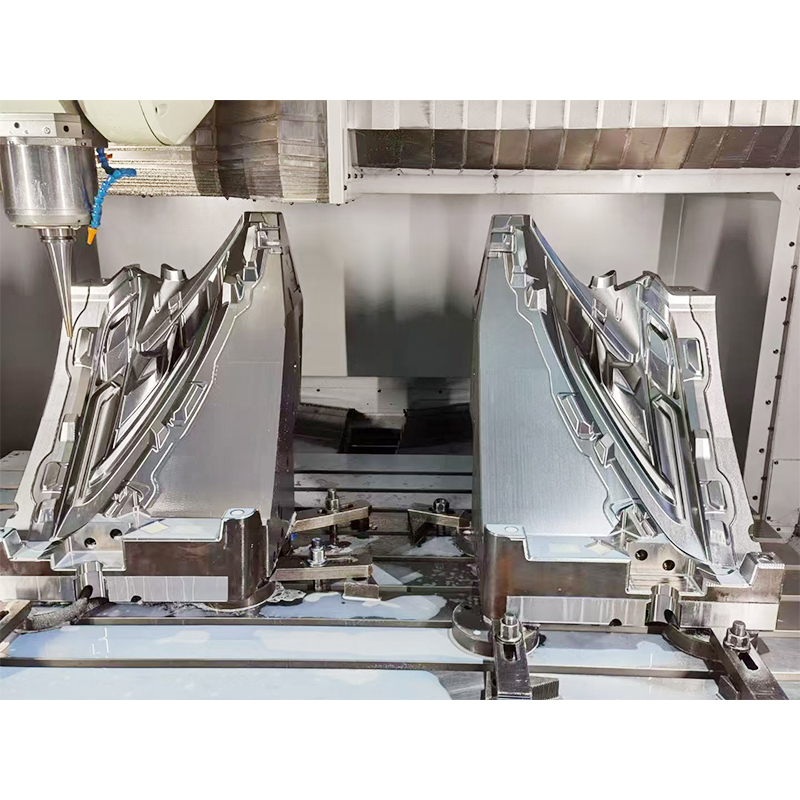
CNC milling is the core method for machining complex lines. High-precision five-axis CNC machine tools enable simultaneous machining of multiple angles and curved surfaces, ensuring the smoothness and continuity of lines and curves. During machining, micro-cutting and multi-stage layered processing reduce tool runout and the impact of cutting stress on the material, improving the geometric accuracy of decorative lines.
3. Precision Tooling and Specialized Fixtures
Complex decorative lines typically require small-diameter, high-hardness tools to achieve intricate detail machining. The tools are usually made of cemented carbide or coated materials to ensure cutting accuracy and wear resistance. Simultaneously, specialized fixtures are used to fix the mold blank, reducing vibration and deformation and maintaining workpiece stability. This precise fit between the tool and fixture is crucial for ensuring the machining accuracy and surface quality of the lines.
4. Electrical Discharge Machining for Microstructures
For deep concave lines or complex areas difficult to machine using traditional milling, electrical discharge machining (EDM) is a common method. By electro-eroding the metal surface, EDM can machine extremely fine and complex line contours while maintaining extremely high dimensional accuracy. Combined with precision electrode fabrication, the depth and shape of the lines can be precisely controlled, ensuring the decorative lines meet design requirements.
5. Surface Polishing and Finishing Enhance Visual Effect
After machining, decorative lines typically require fine polishing to remove microburrs and machining marks. A combination of manual and mechanical polishing improves surface smoothness, resulting in a more natural decorative effect. The polishing process requires controlled pressure and speed to avoid altering the line shape or creating new defects.
6. CNC Inspection and Process Feedback
During machining, a coordinate measuring machine (CMM) or laser scanner is used for real-time inspection, accurately measuring the line contour, depth, and curvature. Feedback from the inspection results allows for timely adjustments to machining parameters and toolpaths, ensuring consistency and high precision for every mold's decorative lines in mass production.
7. Multi-Process Collaboration and Optimization
The machining of complex decorative lines usually requires the collaborative completion of multiple processes, including milling, EDM, finishing, and polishing. Properly arranging the process sequence and controlling cutting stress and thermal effects can prevent line deformation and residual stress accumulation, improving mold stability and lifespan. Simultaneously, optimizing machining parameters and process connections improves production efficiency and ensures the stability of fine line machining.
In summary, the processing of complex decorative lines in car door panel molds requires a combination of sophisticated techniques, including CAD/CAM modeling, five-axis CNC machining, precision tools and fixtures, electrical discharge machining (EDM), surface polishing, and inspection feedback. These methods not only ensure the geometric accuracy and surface quality of the decorative lines but also provide a reliable guarantee for the long-term stable use of car door panel molds, laying a solid foundation for the overall vehicle's decorative effect and design aesthetics.
1. Precise CAD/CAM Modeling and Path Planning
Before machining complex decorative lines, a precise 3D model needs to be created in a CAD system, digitizing the line contours, depths, and curvatures. Then, a CAM system is used for machining path planning, including tool selection, depth of cut, feed rate, and toolpath sequence. Precise digital modeling and path planning provide a reliable foundation for subsequent precision machining, ensuring that the shape of the decorative lines matches the design drawings.
2. High-Precision CNC Machining Improves Shape Accuracy
CNC milling is the core method for machining complex lines. High-precision five-axis CNC machine tools enable simultaneous machining of multiple angles and curved surfaces, ensuring the smoothness and continuity of lines and curves. During machining, micro-cutting and multi-stage layered processing reduce tool runout and the impact of cutting stress on the material, improving the geometric accuracy of decorative lines.
3. Precision Tooling and Specialized Fixtures
Complex decorative lines typically require small-diameter, high-hardness tools to achieve intricate detail machining. The tools are usually made of cemented carbide or coated materials to ensure cutting accuracy and wear resistance. Simultaneously, specialized fixtures are used to fix the mold blank, reducing vibration and deformation and maintaining workpiece stability. This precise fit between the tool and fixture is crucial for ensuring the machining accuracy and surface quality of the lines.
4. Electrical Discharge Machining for Microstructures
For deep concave lines or complex areas difficult to machine using traditional milling, electrical discharge machining (EDM) is a common method. By electro-eroding the metal surface, EDM can machine extremely fine and complex line contours while maintaining extremely high dimensional accuracy. Combined with precision electrode fabrication, the depth and shape of the lines can be precisely controlled, ensuring the decorative lines meet design requirements.
5. Surface Polishing and Finishing Enhance Visual Effect
After machining, decorative lines typically require fine polishing to remove microburrs and machining marks. A combination of manual and mechanical polishing improves surface smoothness, resulting in a more natural decorative effect. The polishing process requires controlled pressure and speed to avoid altering the line shape or creating new defects.
6. CNC Inspection and Process Feedback
During machining, a coordinate measuring machine (CMM) or laser scanner is used for real-time inspection, accurately measuring the line contour, depth, and curvature. Feedback from the inspection results allows for timely adjustments to machining parameters and toolpaths, ensuring consistency and high precision for every mold's decorative lines in mass production.
7. Multi-Process Collaboration and Optimization
The machining of complex decorative lines usually requires the collaborative completion of multiple processes, including milling, EDM, finishing, and polishing. Properly arranging the process sequence and controlling cutting stress and thermal effects can prevent line deformation and residual stress accumulation, improving mold stability and lifespan. Simultaneously, optimizing machining parameters and process connections improves production efficiency and ensures the stability of fine line machining.
In summary, the processing of complex decorative lines in car door panel molds requires a combination of sophisticated techniques, including CAD/CAM modeling, five-axis CNC machining, precision tools and fixtures, electrical discharge machining (EDM), surface polishing, and inspection feedback. These methods not only ensure the geometric accuracy and surface quality of the decorative lines but also provide a reliable guarantee for the long-term stable use of car door panel molds, laying a solid foundation for the overall vehicle's decorative effect and design aesthetics.